

Does your refresh need every replacement?
Modeled payments scenario: 32 percent lower refresh CAPEX by combining consolidation, downsizing, and remanufactured hardware options.

What a payments-network refresh decides
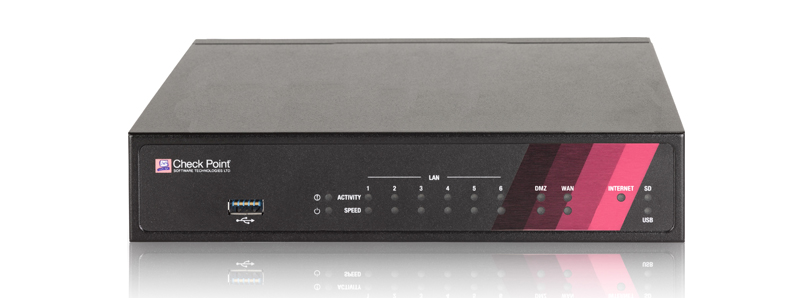
Payments edge estate
The gateways guarding the payments path, with an EoL clock running.
Lifecycle
EoS, EoSL and warranty attached to each device, not a separate sheet.
Refresh
Which platforms consolidate, which need like-for-like, and when.
Cost
CapEx, OpEx, power and rack across a multi-year horizon.
Risk
End-of-support exposure quantified, not asserted.
Phasing
Sequenced around outage windows and site readiness.
Why this is harder than it should be
- End-of-Sale, End-of-Maintenance, End-of-Vulnerability, and End-of-Support sit across vendor portals and tracker spreadsheets that don't agree.
- The default refresh model is the vendor-recommended replacement, which is rarely the lowest-cost defensible option.
- PCI DSS audits land with lead-time pressure attached, and the network team is sourcing replacement options in parallel with the audit.
- Last refresh's modelling work is unrepeatable; this refresh is rebuilt from scratch.
What modelling EoL strategies first changes
- EoX milestones reconciled against live inventory, so the refresh scope is driven by data, not spreadsheet ageing.
- Compare replacement, downsizing, and consolidation. In this model, remanufactured options were limited to non-critical roles, with full support coverage factored in.
- Business-unit prioritisation built into the model, so back office, data centre, branch, and call centre each get the right strategy.
- Budget impact per scenario surfaced before the procurement conversation opens.
How the payments network refresh was modelled end to end
From compliance pressure to board-approved business case, with the strategies tested in parallel.
- Existing network inventory across LAN, data centre, branch, and call centre
- PCI DSS scope definition and audit timing
- Vendor BoMs, alternate vendor pricing, remanufactured hardware options
- Reconciled inventory and attached EoX milestones per device
- Built matching templates, product templates, and pricing records
- Modelled scenarios in parallel: consolidate, downsize, alternate-vendor, remanufactured
- A lifecycle data layer with EoS, EoSL, EoV milestones per device
- Costed business cases for each strategy combination
- A board-ready proposal with the chosen scenario defended
What the modelling looked like

EoX lifecycle timeline
Vendor announcement dates versus real operational dates.

EoX decision timeline
Extend, upgrade, or migrate per device class.
What changed in the modelled scenario
- 32 percent CAPEX reduction across the refresh in the modelled scenario, by combining consolidation, downsize, and remanufactured-hardware strategies.
- Lifecycle milestones and device roles informed each replacement decision.
- Refresh strategy was defended scenario-by-scenario, not as a single take-it-or-leave-it proposal.
- Framework persisted into the next cycle, so the next refresh starts from data, not a blank sheet.
A 30-minute working session
Practical, not a sales pitch. Bring the rough shape of your estate; we'll bring the worked example.
- 1
Estate snapshot
5 minRough device count, sites, and what your source of truth covers today.
- 2
Walk-through
10 minHow Netos surfaces this against a live, continuously reconciled source of truth.
- 3
What it produces
10 minThe views and exports you would take to the team or the board.
- 4
Next steps
5 minWhat a pilot looks like, who needs to be in the room, and rough timelines.
We will follow up with a written summary within one business day.
Which refresh options fit your audit deadline?
Share your estate size, vendor mix, and audit deadline. Request a working session to explore the refresh example and discuss your options.
Check Point
Edge security source.

NetBox
Modelled source of truth.
Common questions
Whose 32 percent CAPEX number is this?
It comes from a modelled scenario for a global payments company in a multi-business-unit refresh. The framework is reusable; the figure is scenario evidence, not a generic outcome.
What EoX milestones were modelled?
Announcement, End of Sale, End of Maintenance, End of Vulnerability Support, and End of Support. Each milestone drove a different replacement decision depending on business unit and device role.
How were remanufactured hardware options modelled?
Remanufactured hardware was modelled as a parallel option for non-critical roles, with full support coverage and shortened lead times factored in. In the modelled scenario, remanufactured options delivered a 20 percent cost saving on the lines they were applied to.
What about consolidation and downsizing?
LAN consolidation opportunities surfaced from the capacity report, removing over 40 stack switches and unused line cards. Edge-router downsizing replaced a 17 thousand dollar unit class with a 1.5 thousand dollar alternative where the business case supported it.
How long does the modelling take?
Days once the data is in. The matching templates, product templates, and pricing records are reusable across customers, so the second engagement is mostly inputs.
Does this framework apply outside payments?
Yes. The PCI DSS angle is specific to payments, but the EoL strategy modelling and CAPEX framework apply to any multi-vendor refresh under cost or compliance pressure.