
AI is the delivery layer. The data foundation came first.
Netos spent years solving fragmented infrastructure, finance, supplier, lifecycle, and operational data. The team now uses that AI foundation to execute at pace.
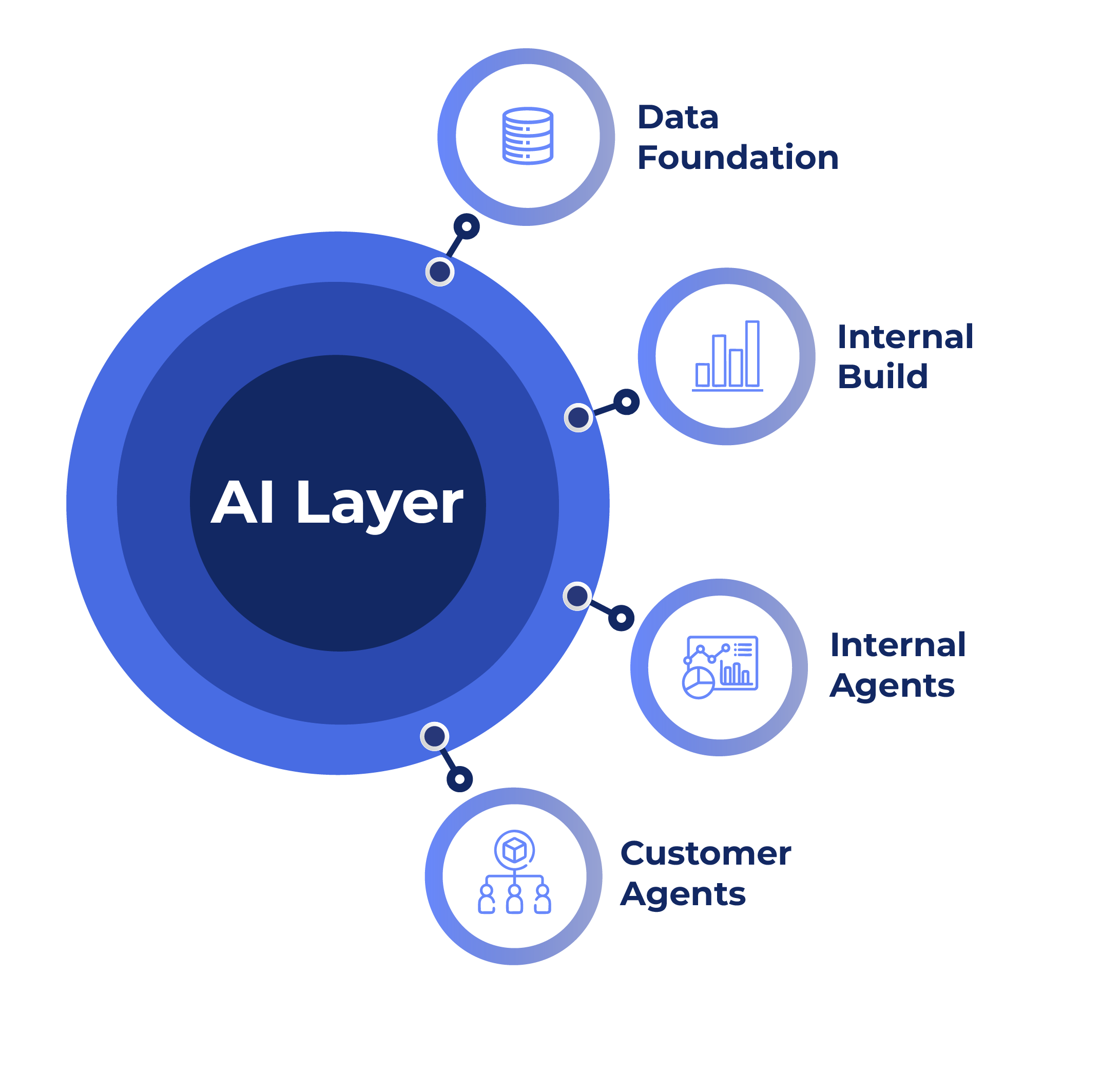
The defensible foundation is the data model.
In enterprise software, value comes from trusted data, operational context, and decisions teams can defend. Netos is built around those realities, and the AI Team works on top of that knowledge.
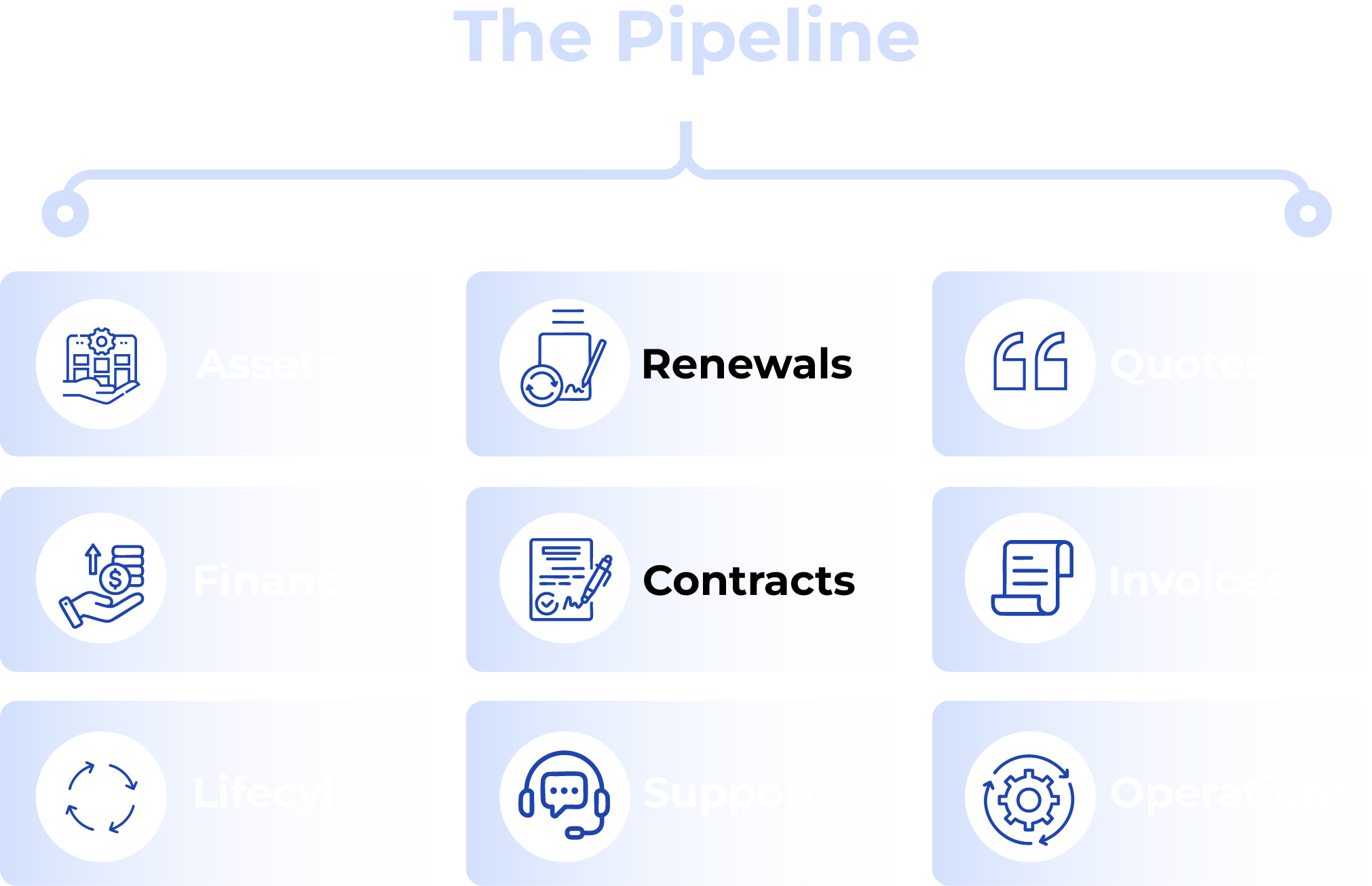
Why AI now.
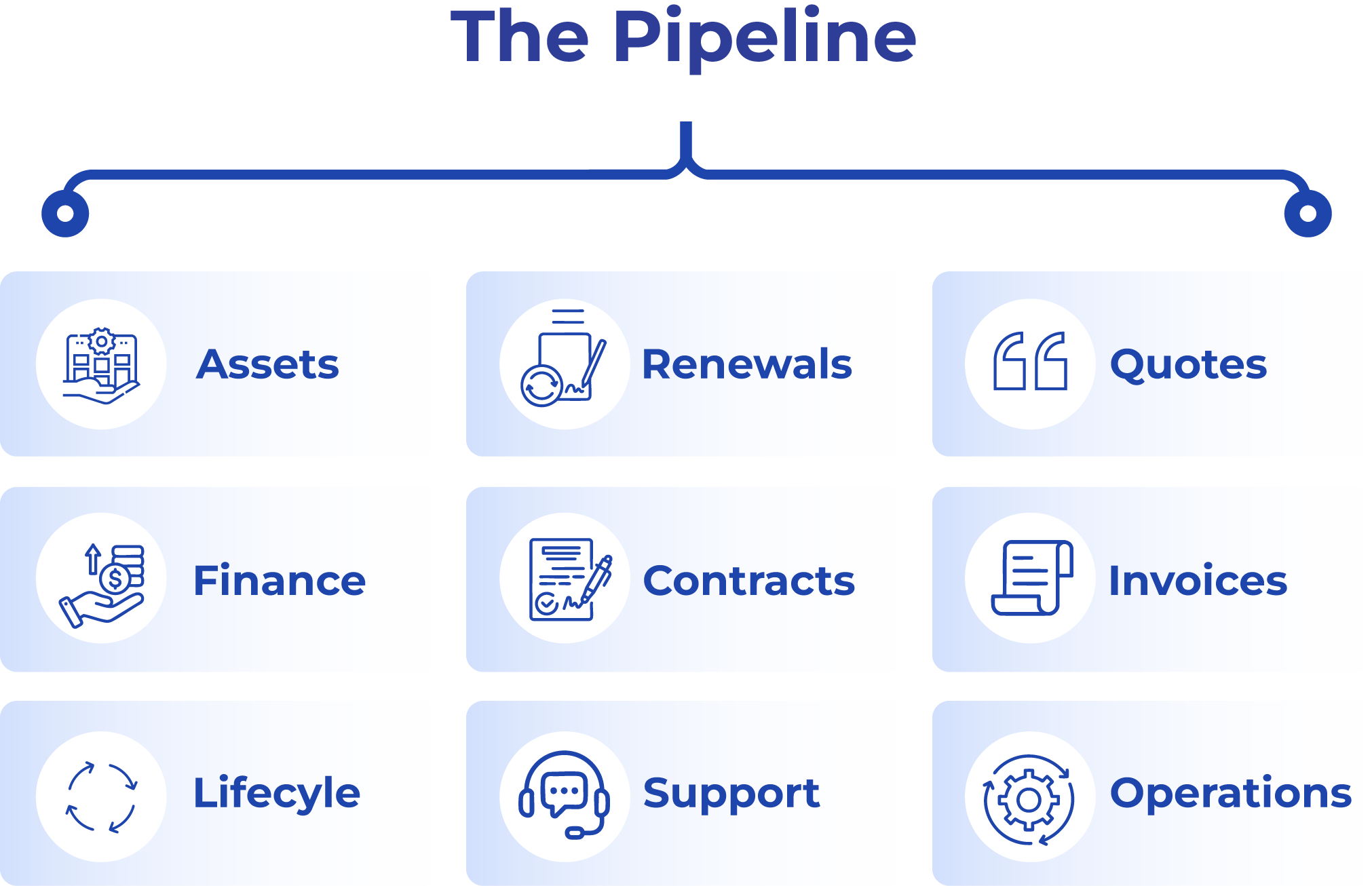
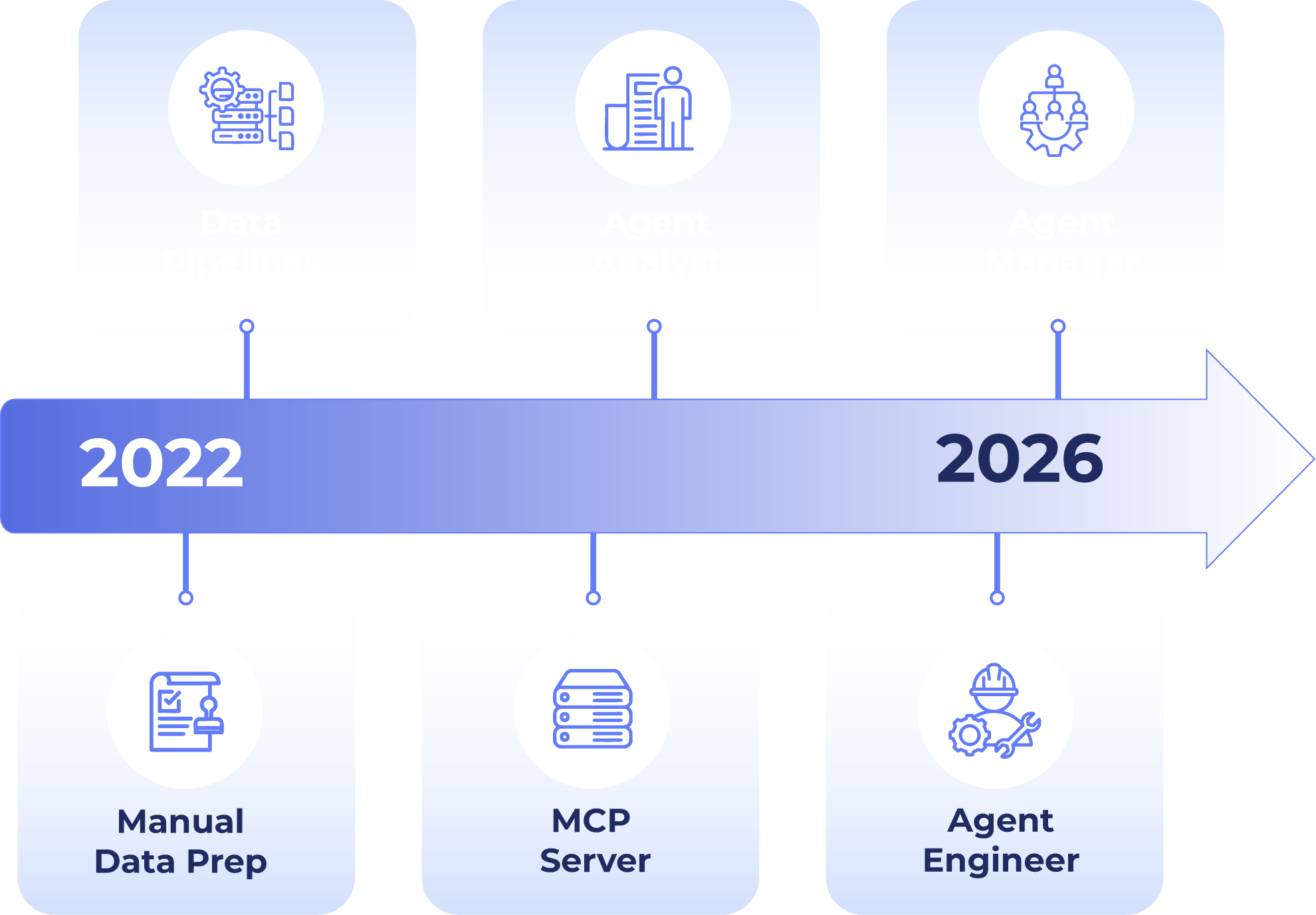
Customers once spent weeks preparing data, mapping fields, and validating sources before Netos delivered value. AI agents now reduce that work by preparing data, surfacing issues, drafting outputs, and keeping assumptions visible for review.
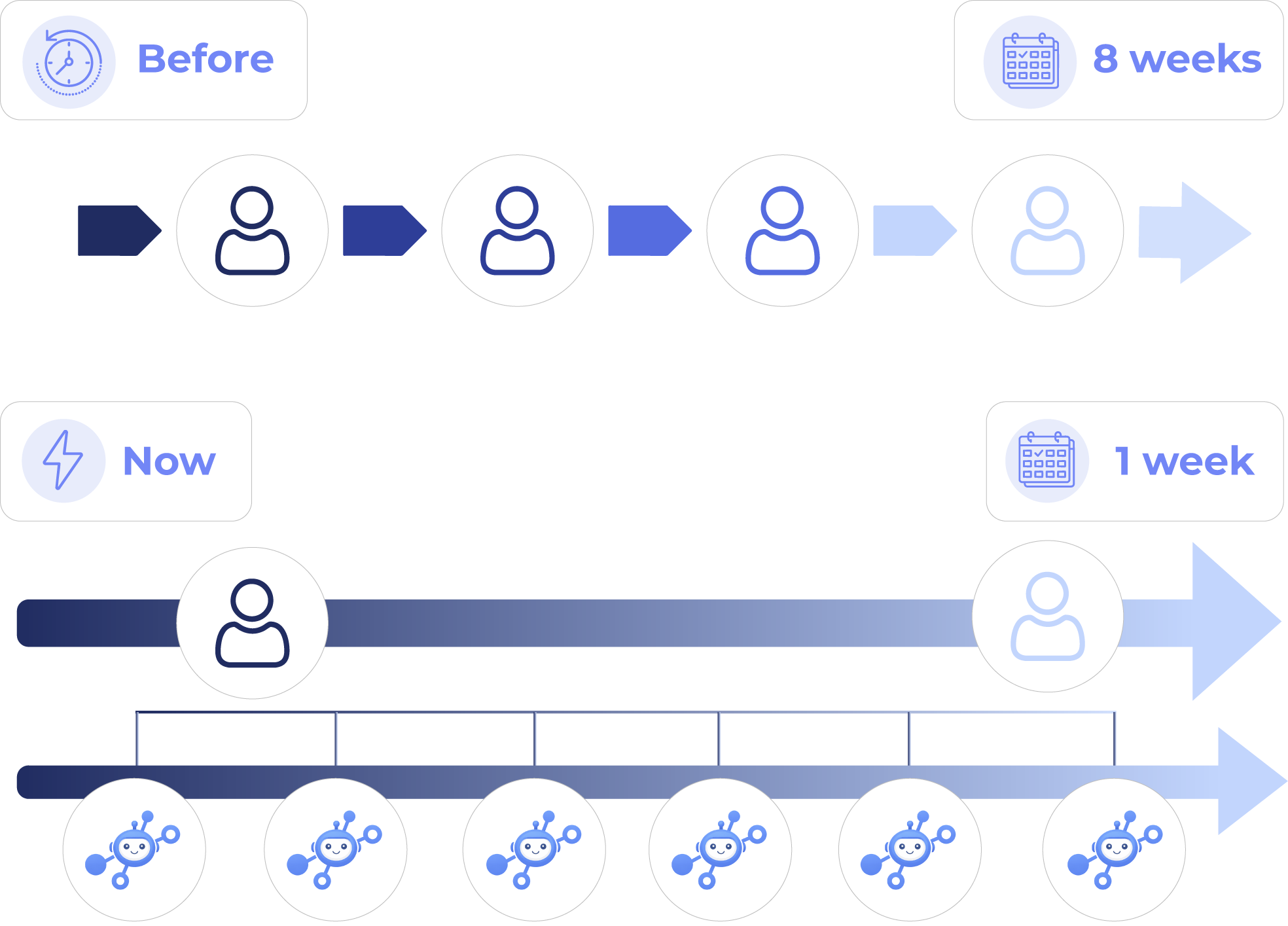
From software product to AI team.
The next version of Netos is AI agents around a mature product. Finance Agent works the financial questions. Data Agent prepares and maintains the foundation. Systems Agent turns inventory into refresh, risk, and audit outputs.
Start with one governed AI-assisted workflow.
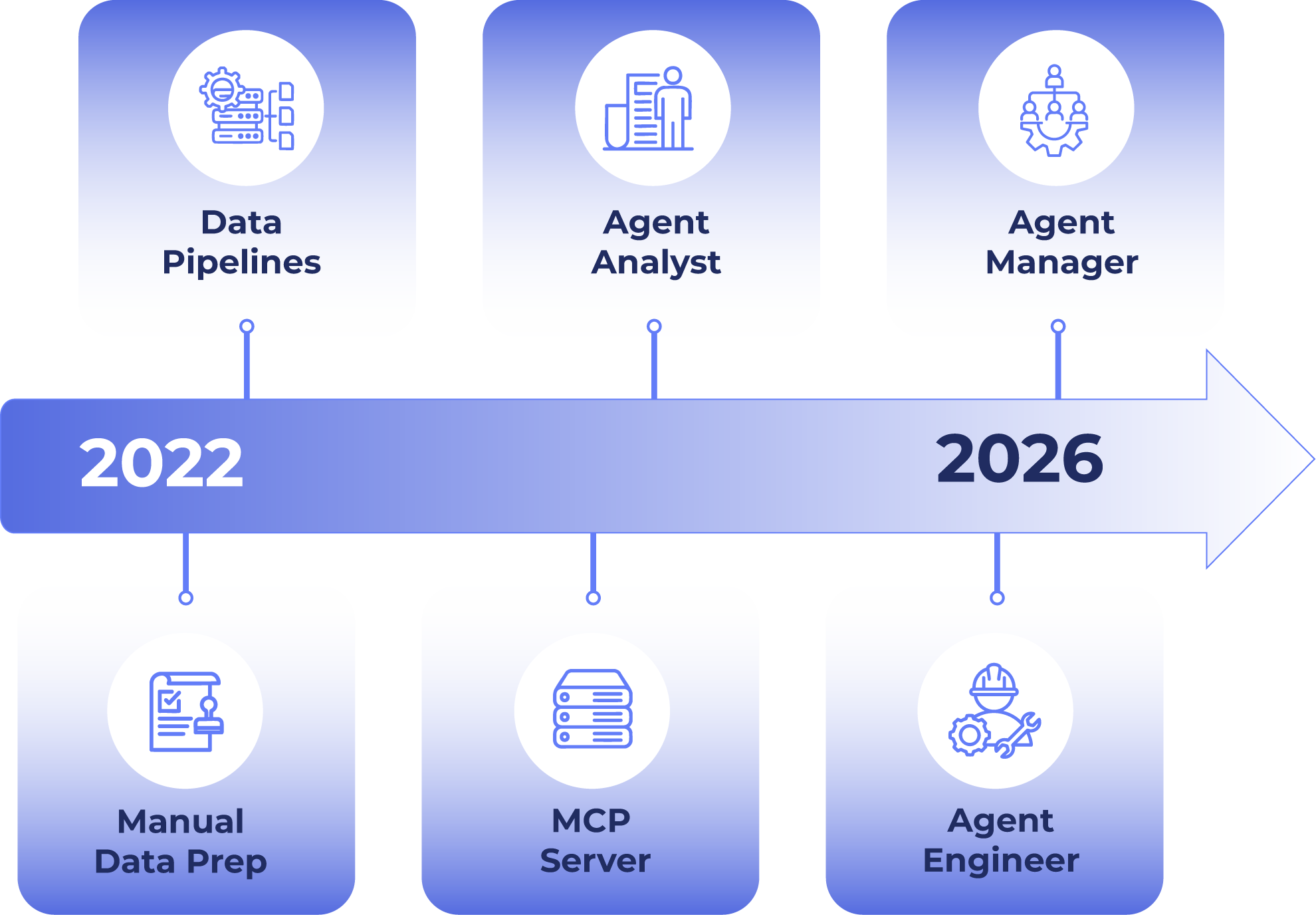
What this means for customers.
Netos AI does not remove enterprise complexity. It helps your teams work through it faster.
You get the benefit of AI-assisted delivery without losing the governance, traceability, and maturity expected from enterprise software.
The result is faster onboarding, cleaner data, better reports, stronger business cases, and more defensible network investment decisions.
Built on real enterprise delivery.
The Atlas agents are powerful because Netos has been shaped through thousands of decisions, customer conversations, and edge cases.
in active development against real enterprise networks.
of engineering on the product, integrations, and data model.
tracked, fixed, and shipped in YouTrack.
shaping the product against real data.
with MSPs, vendors, and integrators.
What looks simple, and what actually makes it hard.
Every capability in Netos exists because of something learned the hard way.
Spreadsheets land messy
Customer files are inconsistent, incomplete, and renamed. Mapping is never one-shot.
Sources disagree
No single system is complete. Reconciliation takes judgment, not just rules.
Lifecycle is multi-layered
Vendors, components, support dates, software versions, and criticality all decay at different rates.
Finance speaks a different language
Cost models rarely map cleanly to infrastructure. CapEx versus OpEx is a per-customer conversation.
Business cases need options
Technical decisions become CapEx, OpEx, timing, risk, and a recommendation that survives the board.
Reports need trust
Outputs are only useful when the data model, assumptions, and audit trail are visible.
Meet the AI Team
Explores a workflows built on the Netos platform.